Planning the perfect getaway to Gran Canaria: A comprehensive guide
Organizing a holiday to the Canary Islands requires a strategic approach to ensure you capture the diverse essence of this “miniature continent.” From the golden dunes of Maspalomas to the lush, green ravines of the north, Gran Canaria offers a topographical variety that is rare for an island of its size. Successful planning begins with identifying your primary travel goals, whether they involve high-energy water sports, historical exploration in Vegueta, or simply unwinding in a secluded luxury resort.
When selecting your base of operations, it is vital to consider the specific needs of your group, especially when looking for family-friendly options available among hotels in Gran Canaria. Utilizing expert travel tips can significantly streamline the booking process, allowing you to focus on the broader joys of travel and cultural immersion. For instance, checking the latest local weather patterns ensures your itinerary aligns with the microclimates that define the island’s unique geography.
Choosing the best time to visit
The climate of Gran Canaria is famously stable, earning it the reputation of having one of the best year-round temperatures in the world. However, the experience can vary slightly depending on the season, with the winter months attracting those seeking a warm escape from Northern Europe, while the summer is perfect for ocean-based activities. High season usually peaks between December and February, meaning early bookings are essential for securing the best rates and locations.
If you prefer a quieter atmosphere, the shoulder seasons of spring and autumn offer a more relaxed pace and slightly lower prices. During these months, the landscape is often at its most vibrant, particularly in the mountainous interior where almond blossoms and wildflowers begin to bloom. This period is ideal for hikers and photographers who want to capture the island’s natural beauty without the crowds found during the peak holiday intervals.
Exploring the must-see natural wonders
No trip to this island is complete without witnessing the breathtaking spectacle of the Maspalomas Dunes. These vast mountains of sand create a desert-like environment right on the edge of the Atlantic Ocean, providing a stunning backdrop for sunset walks or camel treks. It is a protected ecosystem that showcases the raw, shifting beauty of the southern coast, serving as a reminder of the island’s proximity to the African continent.
Moving toward the center of the island, the Roque Nublo stands as an iconic volcanic landmark that commands the skyline. Reaching this natural monument requires a moderate hike, but the panoramic views from the summit are arguably the best on the island, stretching across to neighboring Tenerife on clear days. The surrounding rural parks are filled with ancient pine forests that offer a refreshing contrast to the coastal heat and provide a sanctuary for local bird species.
Discovering the charm of local villages
While the beaches are a major draw, the inland villages of Gran Canaria hold the true heart of Canarian culture and history. Teror, with its traditional wooden balconies and the Basilica of Our Lady of the Pine, offers a glimpse into the religious and architectural heritage of the region. Walking through its cobblestone streets feels like stepping back in time, especially during the Sunday markets where local artisans sell handmade crafts and traditional chorizo.
Another essential stop is the village of Tejeda, often cited as one of the most beautiful towns in Spain. Perched high in the mountains, it is famous for its almond-based sweets and its proximity to the island’s highest peaks. The integration of the white-washed buildings into the rugged terrain creates a visual harmony that highlights the resilience and creativity of the island’s inhabitants over the centuries.
Engaging in coastal and water activities
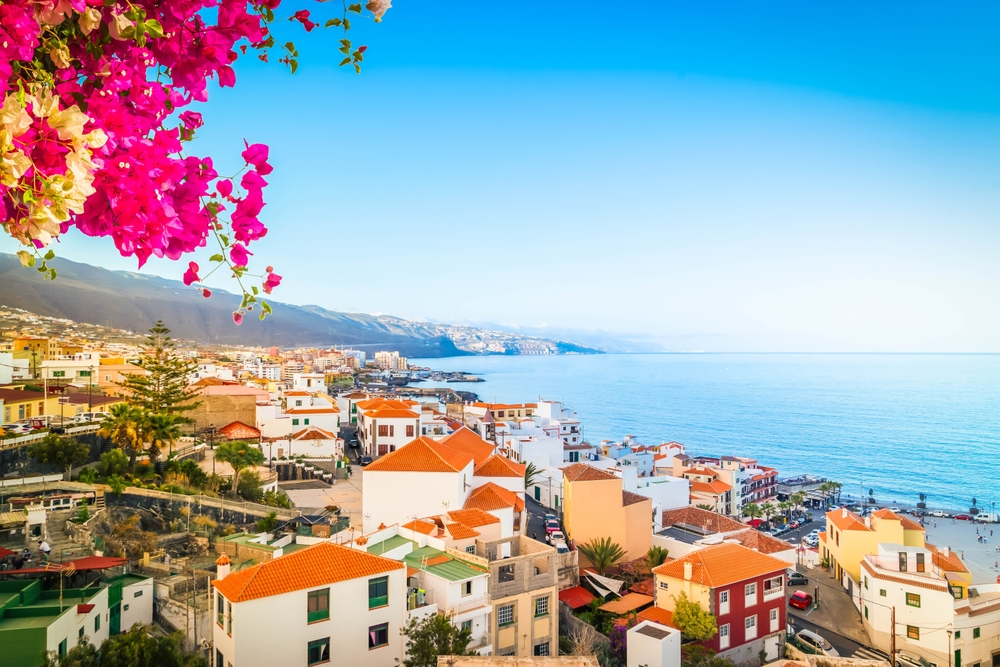
The southern coast is a playground for those who love the sea, offering everything from calm waters for swimming to consistent winds for windsurfing. Puerto de Mogán, often called “Little Venice” due to its canals and colorful buildings, is a fantastic spot for snorkeling or taking a yellow submarine tour to view the local marine life. It is a highly photogenic harbor that maintains a peaceful ambiance despite its popularity with international visitors.
For those seeking more adrenaline, the eastern coast near Pozo Izquierdo is a world-renowned destination for professional windsurfers. Even if you are not participating, watching the athletes navigate the waves at incredible speeds is a thrilling experience. Many coastal towns also offer whale and dolphin watching excursions, providing a responsible way to observe these magnificent creatures in their natural habitat along the Atlantic currents.
Navigating the island with ease
While public transportation in the form of “Global” buses is reliable and covers most major routes, renting a car is often the best way to see the more remote areas. Having your own vehicle allows for spontaneous detours into the deep ravines or “barrancos” that house hidden cave restaurants and ancient archaeological sites. Driving in the mountains can be challenging due to the winding roads, but the accessibility it provides to hidden gems is well worth the effort.
It is also important to familiarize yourself with the local customs regarding dining times and siestas, as many shops in smaller towns may close during the afternoon. Embracing the slower pace of life is part of the charm of a Canarian holiday. Learning a few basic phrases in Spanish can also enhance your interactions with locals, who are known for their hospitality and pride in their island’s unique identity and traditions.
The culinary scene in Gran Canaria is a fusion of Spanish influences, African ingredients, and Latin American flavors brought back by returning emigrants. Sampling “papas arrugadas” with mojo sauce is a mandatory rite of passage for any visitor, showcasing the humble potato in a way that is surprisingly flavorful. Seafood lovers will find an abundance of fresh catches daily, ranging from parrotfish to Atlantic wreckfish, usually served simply with lemon and local olive oil. Exploring the various “guachinches” or local eateries tucked away in the northern green valleys provides an authentic taste of the island’s agricultural wealth. Each meal becomes a celebration of the volcanic soil’s fertility and the surrounding ocean’s bounty.